The Textile Innovation Engine of North Carolina
Remote | December 2024 - March 2025
Integrating sustainability, circularity, regeneration + innovation education into materials for the new high school Fashion + Textiles curriculum, + up-skilling high school teachers.
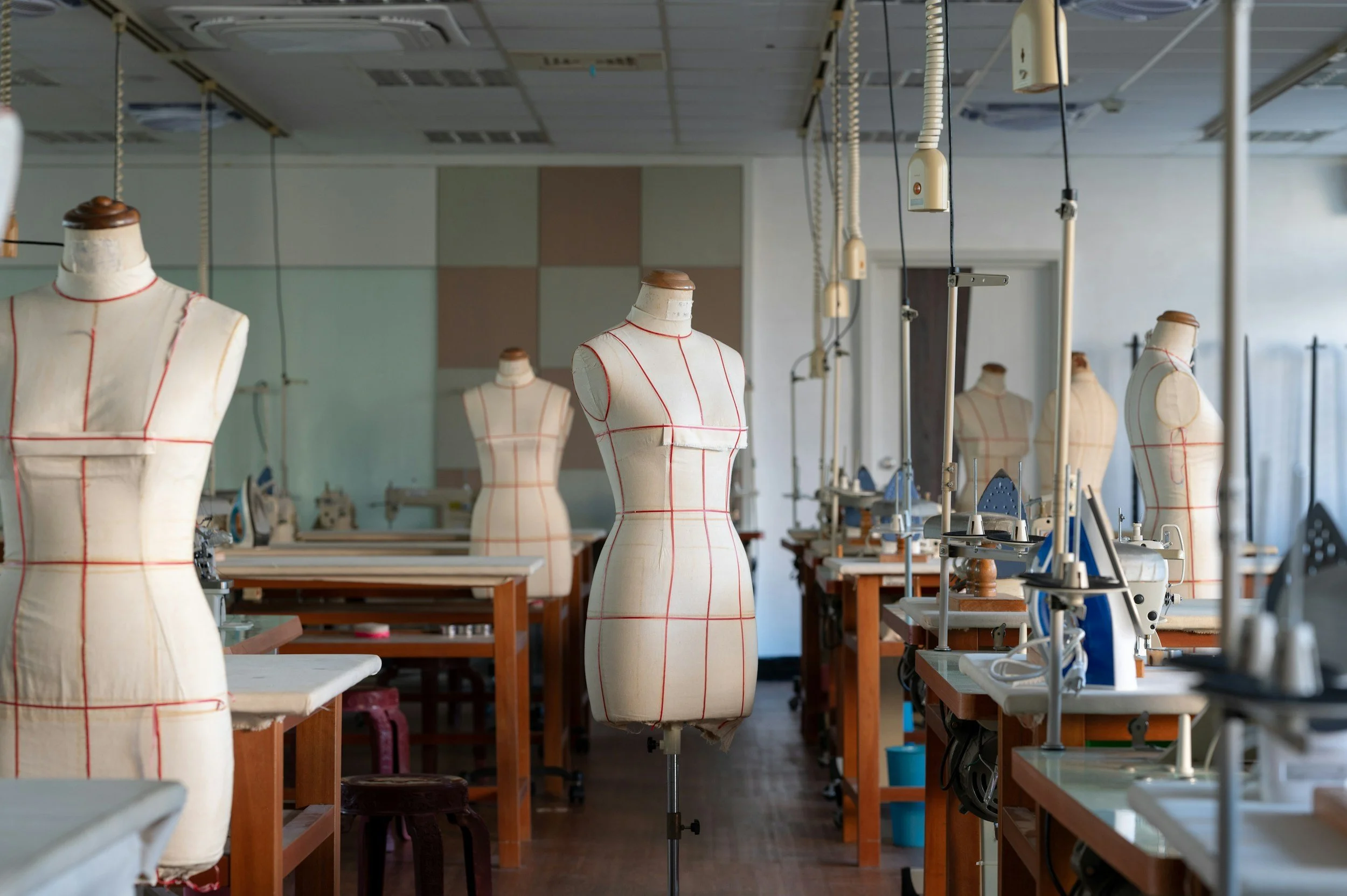
The Textile Innovation Engine of North Carolina, funded by the US National Science Foundation, partnered with the North Carolina Department of Public Instruction Career and Technical Education (NCDPI CTE) to update the 10-year-old Fashion and Textiles curriculum with an emphasis on sustainability and innovation. Since the curriculum shifted significantly from the previous one, the Engine wanted to provide supplemental instructional resources for high school teachers leading FA07: Fashion and Textiles 1 – Fundamentals. I was brought on to work alongside the instructional material development expert, Transcend Learning Consultants, project management consultancy, Delivery Associates, and four high school teachers to infuse sustainability, circularity, regeneration, and innovation as the educational materials were being developed. During this process, I also led up-skilling sessions for each of the teachers, tailored to their specific sustainability, innovation, and fashion design gaps.
CLIENT RECEIVED
Over 90 supplemental educational materials for teachers to present to students with local and global initiatives, reputable sources, scientific research, sustainability, circularity, regeneration, and innovation.
10 original resources, including a design presentation based on my upcycling and natural dyeing fashion design collection.
4 tailored knowledge-gap presentations, 2 guides, and 1 100-slide presentation to up-skill high school teachers.
2 North Carolina circular supply chain case studies.
IMPACT
Over the next five years, our work will impact 25,000 students and 300 teachers.

“Isabelle Saxton was a delight to work with and brought a valuable perspective on the global impact of the fashion industry to our high school curriculum project. She collaborated with our cohort of teachers to create custom training based on their self-identified knowledge gaps, reviewed and connected the lessons they developed to global issues and solutions, and compiled best-practice resources to support their work in building instructional materials for North Carolina high schools.”
— Catherine Armstrong, Program Director, Textile Innovation Engine of North Carolina